
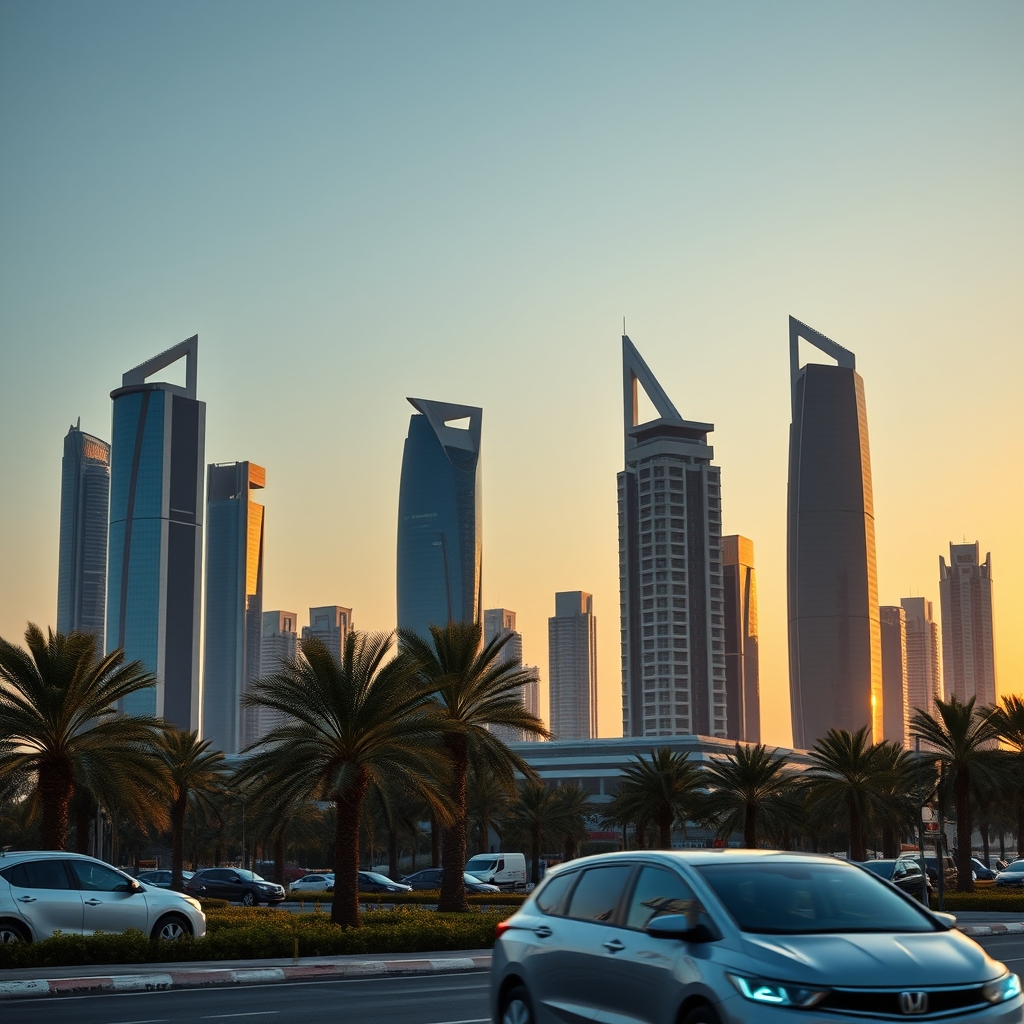
Dubai’s downtown corridor has long been a magnet for tourists, expatriates and corporate delegations. Recent price‑driven promotions from the region’s top rental operators are now translating that footfall into measurable revenue growth for the local mobility market. Analysts see the surge as a barometer of broader consumer confidence and an indicator of how flexible pricing can stimulate demand in a post‑pandemic tourism recovery.
Competitive Pricing Revitalises Demand
The latest wave of discounts targets short‑term stays, weekend getaways and corporate assignments. Hertz UAE, Europcar Middle East, and Sixt have each rolled out packages that combine reduced daily rates with complimentary mileage and insurance coverage. For example, Hertz’s “Downtown Explorer” bundle offers a 20 % discount on three‑day rentals for vehicles under AED 150 per day, while Europcar’s “City Sprint” deal adds a free GPS unit and unlimited mileage for bookings made through its mobile app.
These offers arrive at a time when Dubai’s hotel occupancy has climbed to 78 % in July, according to the Department of Tourism and Commerce Marketing. The alignment of lower transportation costs with higher hotel bookings creates a virtuous cycle: visitors who perceive the city as affordable are more likely to extend their stays, thereby increasing spend on dining, retail and entertainment.
Impact on the UAE Mobility Ecosystem
The ripple effect extends beyond the rental firms themselves. Service stations in the downtown area report a 12 % rise in fuel sales, while ancillary businesses such as car‑wash providers and roadside assistance operators have noted higher booking volumes. The Dubai Roads and Transport Authority (RTA) estimates that the downtown district now accounts for roughly 18 % of the emirate’s total car‑rental transactions, up from 14 % a year ago.
Local fintech startups are also capitalising on the trend. PayByCar, a mobile‑payment platform, has integrated with the major rental brands to enable instant, contactless checkout. The startup’s latest funding round, led by a regional venture capital fund, raised AED 25 million to expand its API suite across the GCC, positioning it as a key enabler of seamless mobility services.
Sustainability Considerations
While price incentives drive volume, sustainability remains a priority for both regulators and operators. The RTA’s Green Mobility Initiative encourages rental companies to increase the share of electric and hybrid vehicles in their fleets. In response, Sixt has introduced a “Zero‑Emission” tier that offers electric cars at a flat AED 200 per day, inclusive of charging fees at public stations throughout downtown.
Environmental groups have welcomed the move but caution that true impact will depend on consumer uptake. A recent survey by the Emirates Environmental Agency found that 38 % of renters would consider an electric vehicle if the price gap narrowed, highlighting the importance of competitive pricing in accelerating green adoption.
What to Watch
The downtown car‑rental surge is likely to influence pricing strategies across the UAE’s broader transportation sector. Industry watchers will monitor whether the promotional discounts evolve into longer‑term rate adjustments or remain seasonal tools to boost occupancy during peak tourism months. Additionally, the integration of fintech solutions and the rollout of electric‑vehicle options could set new standards for customer experience and sustainability in the Gulf’s mobility market.
Stakeholders should keep an eye on regulatory updates from the RTA, especially any incentives that further lower the cost of electric‑vehicle rentals. If the current momentum sustains, Dubai’s downtown district may emerge as a benchmark for how dynamic pricing and technology can jointly drive growth in the UAE’s tourism‑linked services.